How to Clean Silver Jewellery at Home: 3 Safe Methods
By Jewelance · · 3 min read
Silver jewellery that has turned dull or dark is not ruined. In most cases a few minutes of gentle cleaning brings back the shine. Here are three safe methods you can do at home, along with the things to avoid.
Before you start
- Check the piece. If it has gemstones, pearls, glued parts or an oxidised (deliberately dark) finish, use only Method 1 or 2.
- Work over a soft towel so nothing scratches or slips down the drain.
- Always finish by rinsing in clean water and drying completely with a soft cloth.
Method 1: Silver polishing cloth (for light tarnish)
A silver polishing cloth is the simplest and safest option for everyday dullness. Rub the piece gently along its length, using a clean part of the cloth as the black tarnish transfers onto it. Do not press hard, and buff in straight lines rather than circles to avoid fine swirl marks.
Method 2: Warm water and mild soap (for dirt and oils)
- Fill a bowl with warm water and add a few drops of mild dish soap.
- Soak the piece for 5 to 10 minutes to loosen dirt and skin oils.
- Brush gently with a soft baby toothbrush, especially in chains and patterned areas.
- Rinse well under clean water and pat dry straight away with a soft cloth.
Method 3: Baking soda and aluminium foil (for heavier tarnish)
This method uses a gentle chemical reaction, rather than scrubbing, to lift tarnish off plain silver. It works well on solid chains and plain rings.
- Line a heatproof bowl with aluminium foil, shiny side up.
- Place the silver on the foil so that it touches the foil.
- Sprinkle about a tablespoon of baking soda over the piece, then pour in hot (not boiling) water until it is covered.
- Leave it for 2 to 5 minutes. You may notice a faint smell as the tarnish lifts.
- Remove with tongs, rinse in clean water and dry completely with a soft cloth.
What to avoid when cleaning silver
- Toothpaste: it is abrasive and can leave fine scratches.
- Bleach, ammonia and harsh household cleaners, which can pit and discolour silver.
- Rough cloths, paper towels and scouring pads, which scratch the surface.
- Putting jewellery in a dishwasher or leaving it soaking for hours.
- Over-polishing. Silver is soft, and constant heavy polishing slowly wears the surface down.
Cleaning oxidised silver
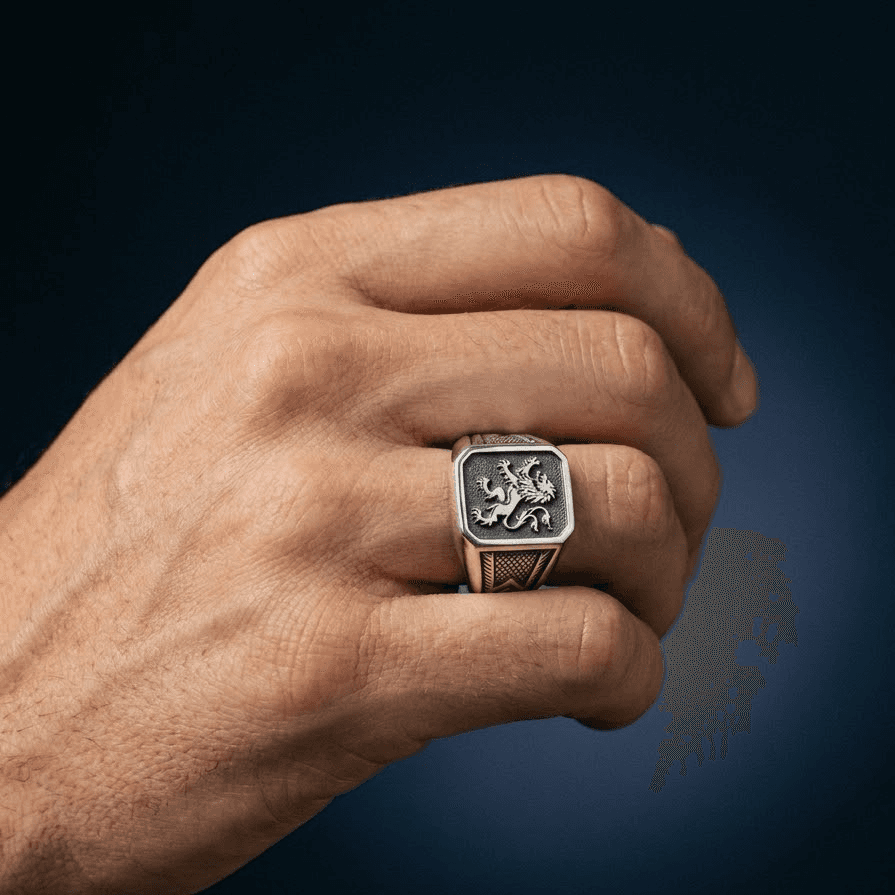
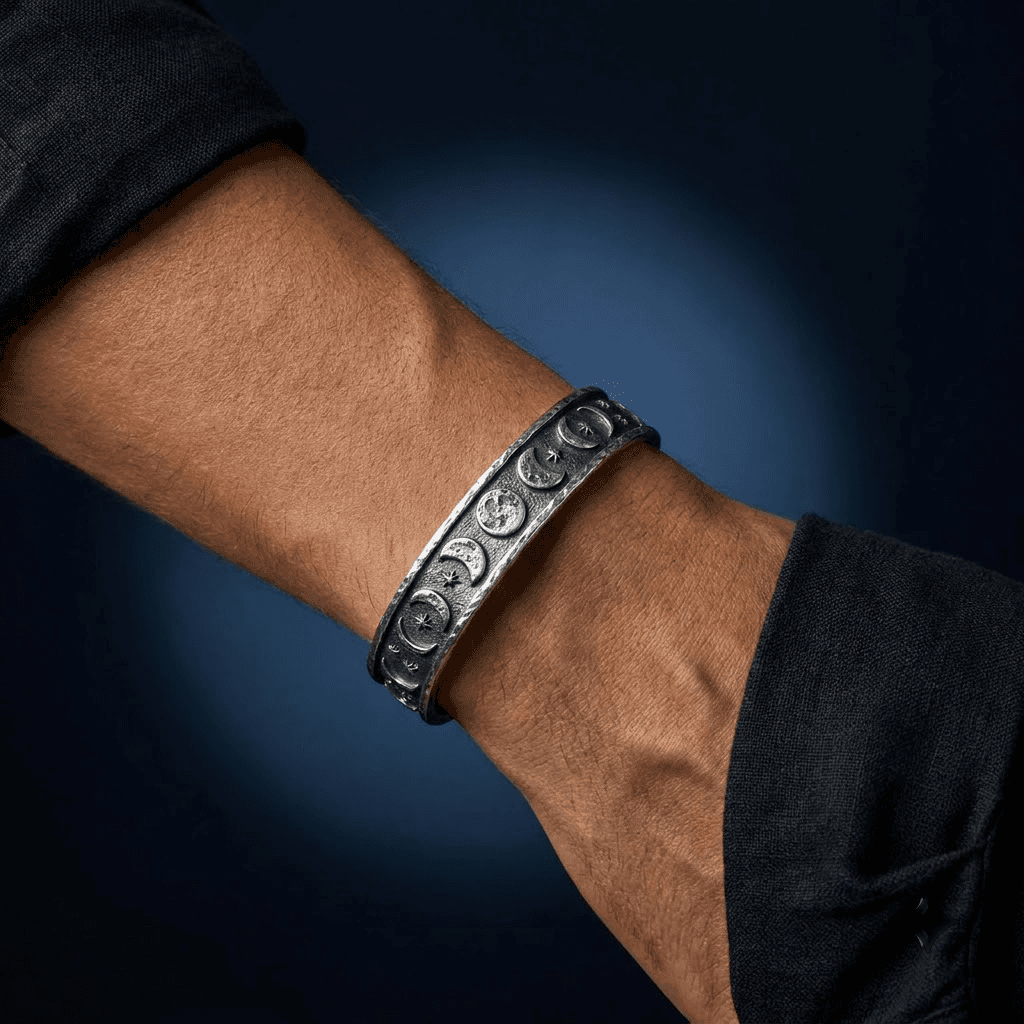
Oxidised silver has a deliberate dark finish in the recesses to show off its pattern. Clean it with a soft, damp cloth and mild soap only. If you polish the raised areas lightly, the contrast is kept. Heavy polishing or chemical dips remove the dark finish.
Keep it clean for longer
Cleaning is only half of the job. Once your silver is shining, follow our tips on how to care for silver jewellery: wear it last, wipe it after wearing and store it sealed and dry.
Frequently asked questions
Can I clean silver jewellery with toothpaste?
It is not recommended. Toothpaste is abrasive and can leave tiny scratches on soft silver. A silver polishing cloth or mild soap and water is safer.
Is baking soda safe for silver?
Yes, for plain silver, when used with aluminium foil and hot water as described above. Avoid it for oxidised silver and for pieces with soft or porous stones.
Why does silver turn black?
Silver reacts with sulphur compounds in the air, food, sweat and cosmetics, forming a dark layer called tarnish. It is harmless and can be cleaned off.
How often should I clean my silver jewellery?
Wipe it after each wear and do a proper clean when it looks dull, usually every few weeks to a few months depending on how often you wear it.
Not sure how to clean a particular piece?
Read our care guide